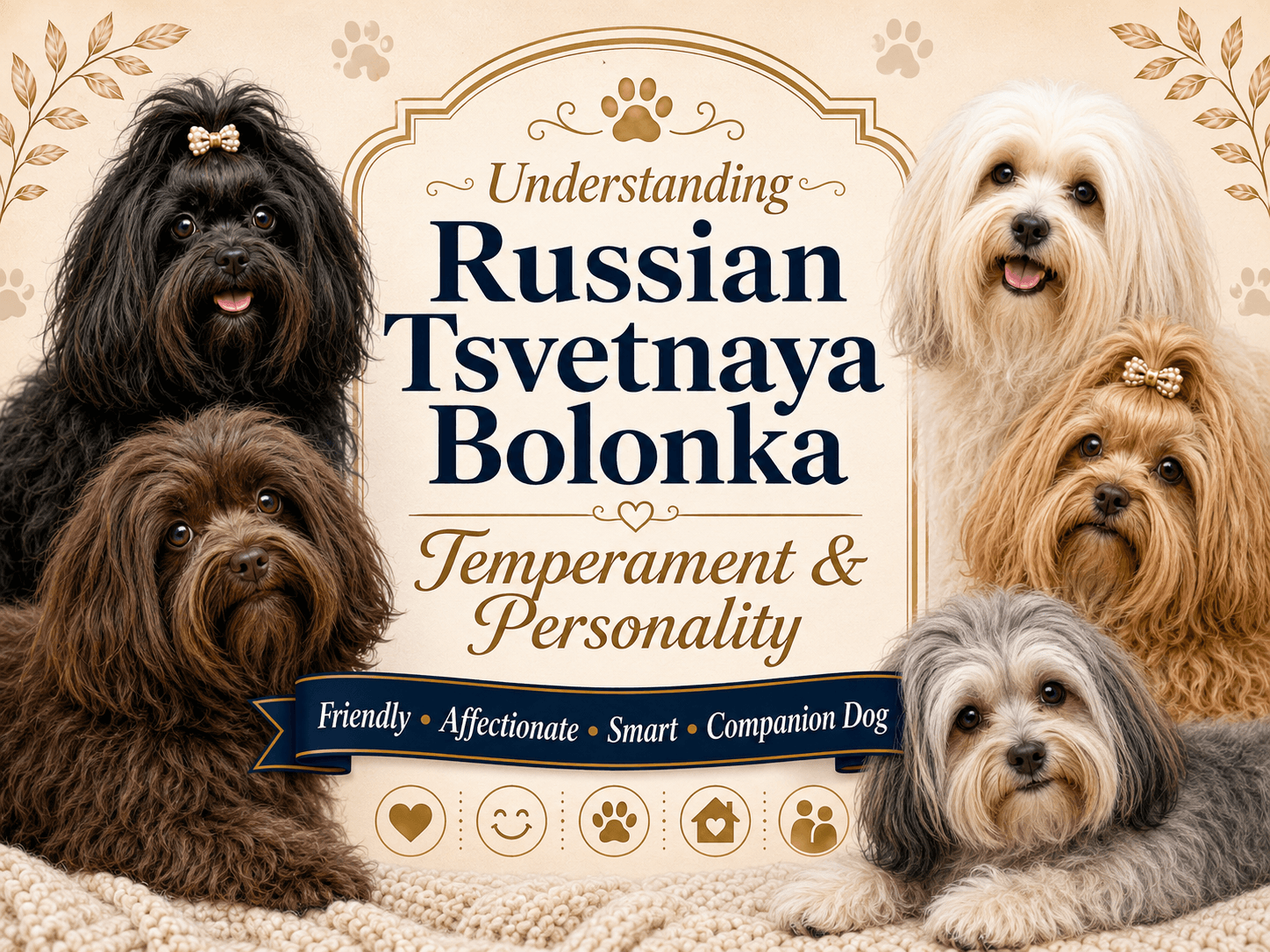
The Heart of a True Companion
The Russian Tsvetnaya Bolonka possesses a temperament that perfectly embodies what makes a great companion dog. Their winning combination of intelligence, affection, and gentle nature has captured hearts worldwide. Understanding their personality will help you appreciate why these dogs make such exceptional family members.
💖 Core Personality Traits
💕Affectionate & Loving
- • Forms deep bonds with family members
- • Thrives on human companionship
- • Enjoys cuddling and close contact
- • Shows genuine devotion to their people
- • Sensitive to their owner's emotions
🧠Intelligent & Curious
- • Quick to learn new commands and tricks
- • Excellent problem-solving abilities
- • Naturally inquisitive about their environment
- • Responds well to positive reinforcement
- • Enjoys mental stimulation activities
🕊️Gentle & Calm
- • Naturally gentle with children
- • Calm demeanor in most situations
- • Not prone to aggressive behaviors
- • Peaceful coexistence with other pets
- • Adaptable to quiet household routines
🎭Playful & Charming
- • Maintains playful spirit throughout life
- • Natural entertainer with comedic timing
- • Enjoys interactive games and toys
- • Brings joy and laughter to families
- • Loves being the center of attention
👨👩👧👦 Bolonkas with Families
Russian Tsvetnaya Bolonkas excel as family companions, adapting beautifully to different family dynamics and situations.
With Children
- Patient and tolerant of children's behavior
- Protective without being aggressive
- Enjoys participating in family activities
- Good size for children to handle safely
- Teaches responsibility and empathy
With Seniors
- Provides companionship and emotional support
- Low to moderate exercise requirements
- Intuitive to their owner's needs
- Calm presence during quiet times
- Manageable size for older adults
With Singles
- Devoted one-person companion
- Adaptable to work-from-home schedules
- Great conversation starter in social settings
- Provides routine and purpose
- Excellent travel companion
🐕 Social Behavior & Compatibility
With Other Dogs
Positive Traits
- • Generally friendly and sociable
- • Non-aggressive toward other dogs
- • Can live peacefully in multi-dog homes
- • Enjoys playing with appropriately sized dogs
- • Responds well to proper socialization
Considerations
- • May be cautious with very large dogs
- • Prefers calm, gentle playmates
- • Early socialization is important
- • Sometimes prefers human company
- • May become protective of favorite humans
With Other Pets
Cats
- • Usually good with cats when raised together
- • Gentle nature reduces conflict
- • May even cuddle with feline friends
- • Respects cats' boundaries
Small Pets
- • Low prey drive makes them safe with rabbits
- • Curious but not aggressive toward birds
- • Supervision recommended with very small pets
- • Generally peaceful coexistence
🎯 Training & Learning Style
Learning Strengths
- Eager to Please: Highly motivated to make their owners happy
- Food Motivated: Responds well to treat-based training
- Quick Learners: Picks up commands and routines rapidly
- Retention: Remembers training well once learned
- Problem Solvers: Can figure out puzzles and challenges
Training Tips
- Positive Methods: Harsh corrections can shut them down
- Short Sessions: 5-10 minute training sessions work best
- Consistency: All family members should use same commands
- Patience: Sensitive nature requires gentle approach
- Fun Factor: Keep training enjoyable and playful
🚨 Potential Challenges & Solutions
Separation Anxiety
Signs:
- • Excessive vocalization when alone
- • Destructive behavior
- • Following owners constantly
- • Anxiety when departure cues appear
Solutions:
- • Gradual alone time training
- • Create positive alone associations
- • Provide engaging activities
- • Consider doggy daycare if severe
Small Dog Syndrome
Prevention:
- • Set consistent boundaries
- • Don't allow behaviors you wouldn't in a large dog
- • Proper socialization from early age
- • Treat them like a dog, not a baby
Management:
- • Regular training and mental stimulation
- • Positive leadership from owners
- • Reward calm, appropriate behavior
- • Avoid reinforcing demanding behavior
🌟 Age-Related Temperament Changes
Puppyhood (2-12 months)
- • Extremely playful and energetic
- • Curious about everything
- • May be mouthy during teething
- • Highly social and outgoing
- • Learning boundaries and manners
Adulthood (1-7 years)
- • Settled into their personality
- • Balanced energy levels
- • Strong bonds with family
- • Confident and secure
- • Enjoys routine and predictability
Senior Years (8+ years)
- • More mellow and cuddly
- • Prefers comfortable routines
- • Still playful but in shorter bursts
- • May become more attached to owners
- • Wisdom and calm presence
🏠 Environmental Adaptability
Highly Adaptable Companions
Living Situations
- Apartments to large homes
- City or rural environments
- Quiet households or busy families
- Single owners or large families
- Indoor-focused or outdoor-active lifestyles
Climate Tolerance
- Moderate cold tolerance with coat
- Heat sensitive due to small size
- Indoor climate preferred
- Enjoys seasonal outdoor activities
- Needs protection in extreme weather
💡 Maximizing Your Bolonka's Happiness
Keys to a Well-Adjusted Bolonka
Consistent Routine
Regular feeding, exercise, and sleep schedules provide security and reduce anxiety.
Quality Time Together
Regular interaction, play, and affection strengthen your bond and fulfill their social needs.
Mental Stimulation
Puzzle toys, training sessions, and new experiences keep their intelligent minds engaged.
Gentle Leadership
Kind, consistent guidance helps them feel secure and understand their place in the family.
A Temperament That Wins Hearts
The Russian Tsvetnaya Bolonka's exceptional temperament makes them more than just pets – they become beloved family members who enrich our lives with their intelligence, affection, and joyful spirits.
Understanding and appreciating their wonderful personality is the foundation of a lifetime of happiness together.